
































Introducing a new puppy to your current dog is often an exciting process, and many dogs will become fast friends and eas...
Read MoreAdopt Me
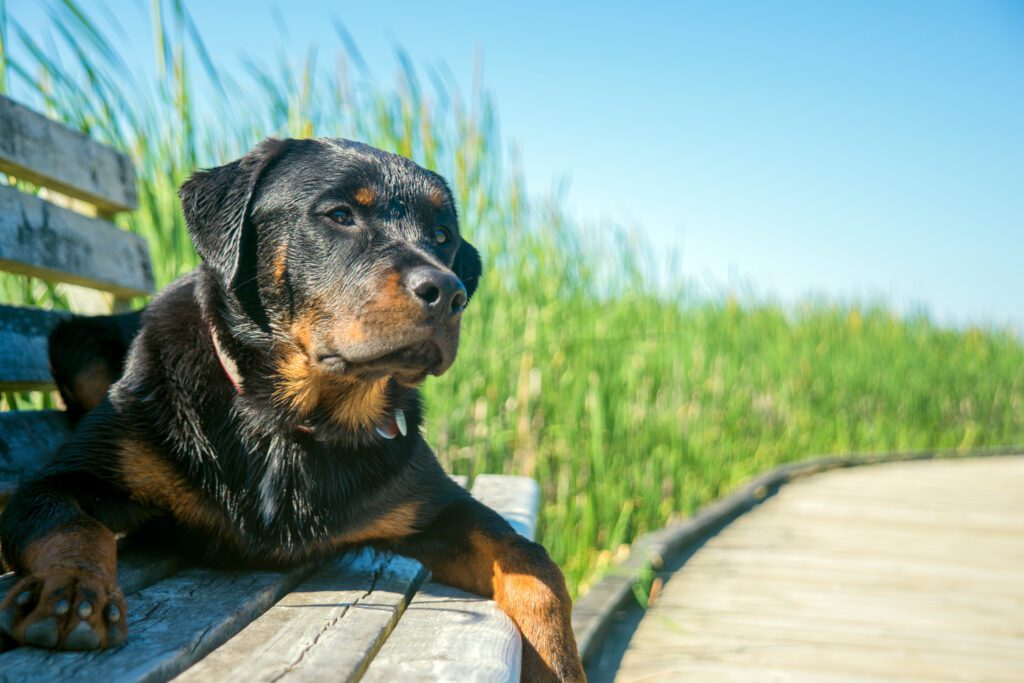
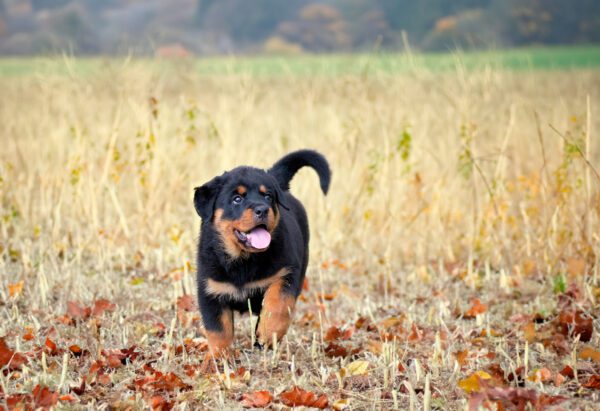
Rottweilers are admired for their strength, loyalty, and gentle nature. They have become a popular choice among New Yorkers because they adapt well to both city and suburban life, making them wonderful companions. However, their size and power mean they need consistent training and strong leadership from the very beginning to help them grow into well-behaved dogs.
In this article, we will explain how to adopt a Rottweiler in New York and share important information about the breed. Understanding their unique traits, how they cope with New York’s changing seasons, and their exercise requirements will help you provide the best care possible.
Adopting a Rottweiler from a shelter or rescue is a great way to give a dog in need a loving home. It also gives you the chance to learn more about the dog’s personality and background, helping you prepare for a successful and rewarding relationship.
Before adopting a Rottweiler, it’s important that you first understand their general temperament and characteristics. These dogs are usually calm, confident, and courageous, with an instinct to protect their families. Originally bred as working dogs to drive cattle and pull carts, Rottweilers are incredibly strong and have a natural work ethic that translates well to modern family life.
It’s important to understand that their size and strength mean they need consistent, firm training from an early age to keep them well-mannered. Despite their sometimes-intimidating appearance, Rottweilers are called “gentle giants” because of their loving, devoted nature. They’re intelligent dogs that form strong bonds with their owners and can be surprisingly sensitive to their family’s emotions.
Rottweilers handle New York’s climate fairly well. Their double coat offers solid protection during the cold winters, but they can struggle with high temperatures in the summer. It’s important to be mindful during the hottest months, especially in the city, where concrete and asphalt can intensify the heat.
|
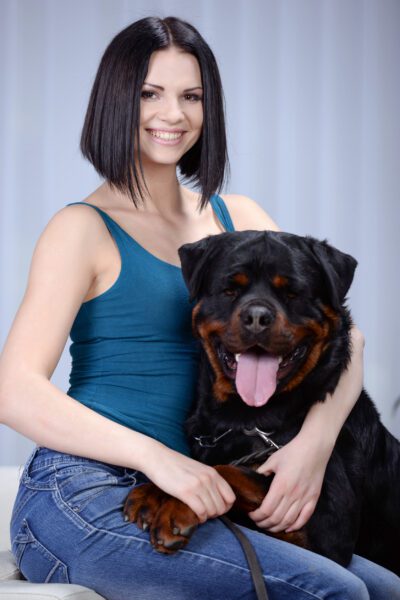
What Is a Rottweiler’s Temperament?A Rottweiler has a personality that blends confidence with deep loyalty to their family. They’re naturally calm and self-assured, and when properly socialized, they rarely show signs of nervousness or anxiety. You’ll also notice their strong protective instincts. They often choose spots where they can keep watch over their surroundings and stay close to the people they care about. This protective nature means it’s important to start socialization early and keep it consistent throughout their development. Doing so helps them grow into well-adjusted dogs that can tell the difference between everyday social interactions and genuine threats. Be ready for a dog who might keep their distance from strangers at first but will gradually warm up once they sense that the person is welcome in their family’s space. Their temperament is generally steady and dependable, which makes them great companions for families looking for a loyal pet, one who offers both protection and genuine affection. |
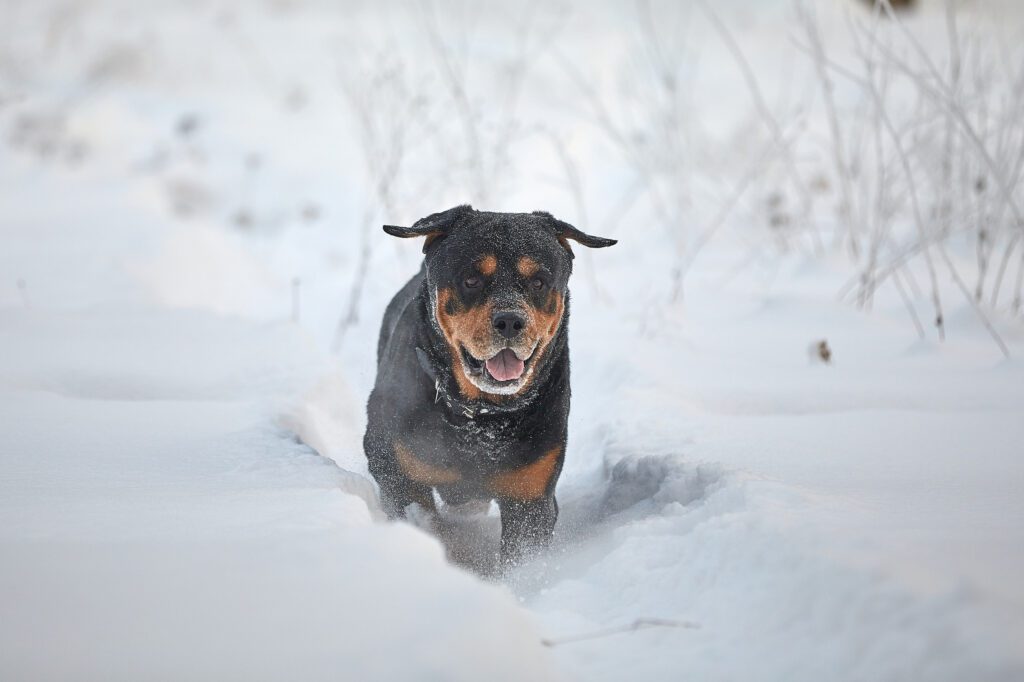
How Active Are Rottweilers?Rottweilers have a moderate energy level and benefit from consistent physical and mental activity. While they aren’t as constantly active as some other working breeds, they still need daily exercise to stay healthy and balanced. Aim to give them around 30 to 60 minutes of movement each day, and it’s perfectly fine to break this up into smaller sessions. This could involve walking through your neighborhood, spending time at a nearby dog park, or engaging in play in your backyard. Regular exercise helps keep them fit and prevents boredom-related behaviors. Given New York’s urban environment, many Rottweiler owners find that daily walks through the city streets provide excellent mental stimulation as well as physical exercise. The sights, sounds, and smells of city life can be very engaging for these intelligent dogs. In winter, most Rottweilers actually enjoy cooler weather and can handle snow quite well, making them great companions for New York’s colder months. Apart from physical exercise, Rottweilers love mental challenges. They enjoy learning new commands, puzzle toys, and having a “job” to do around the house. Without sufficient mental and physical stimulation, they can become bored and potentially destructive, so it’s important to keep their minds engaged with training sessions and interactive activities. |
|
Ahead of adoption, it’s important to be aware that they’re a large breed with substantial size and weight.
Generally speaking, you’ll find adult males weigh between 95 and 135 pounds and stand around 24 to 27 inches tall at the shoulder, while females are generally smaller, ranging from 80 to 100 pounds and 22 to 25 inches in height.
Rottweilers have a double coat that’s relatively low maintenance compared to many other breeds, but they do shed year-round, with heavier shedding periods during seasonal changes. Regular at-home grooming is important, so you’ll have to brush them at least once or twice a week to help remove loose fur and distribute natural oils throughout their coat. During shedding seasons, daily brushing can help manage the amount of hair in your home.
Professional grooming isn’t strictly necessary for most Rottweilers, though you might find it helpful for nail trimming, ear cleaning, and occasional baths. Their short coat doesn’t usually require professional styling, but a professional groomer can help with thorough brushing during heavy shedding periods and can check for any skin issues.
In New York’s varying climate, their coat provides good natural protection, but you may want to consider a light jacket for very cold winter days, especially for dogs who are primarily indoor pets.
Rottweilers, like many large breeds, are susceptible to certain health conditions that potential owners should be aware of. Most commonly, you’ll want to watch for hip and elbow dysplasia, which can affect their mobility and quality of life, especially as they age. Heart conditions, including aortic stenosis, are also more common in this breed than in others.
Rottweilers can also be prone to bloat (gastric dilatation-volvulus), a serious condition that affects deep-chested dogs and requires immediate veterinary attention. Some Rottweilers can also develop eye problems or certain types of cancer. However, with regular veterinary check-ups, proper nutrition, and maintaining a healthy weight, many of these issues can largely be managed or their impact reduced.
Rottweilers live for about eight to 10 years, though some may live longer with excellent care. Their lifespan is shorter than that of smaller breeds, which is normal for large dogs, but with proper nutrition, regular exercise, and routine veterinary care, many Rottweilers enjoy healthy, active lives well into their senior years.
Rottweilers can be excellent with children, especially when raised with them from puppyhood. They display gentle, protective behavior toward their young family members. Because of their size and strength, you should always supervise them around small children. It’s also important to teach kids how to interact respectfully with dogs. Their protective instincts make them excellent family guardians when properly guided.
For interactions with other dogs, early socialization is important. With proper introduction and socialization, they can coexist peacefully with other dogs, though some may prefer to be the only dog in the household. Their interactions with cats and smaller animals do vary, though. Some Rottweilers do well with cats they’ve been raised with, but others have a higher prey drive that makes them unsuitable.
Rottweilers are generally not recommended for first-time dog owners due to their size, strength, and need for confident, consistent leadership. While they’re intelligent and trainable, their powerful build means that any behavioral issues can become serious problems if not addressed properly. They require an owner who can establish clear boundaries and maintain consistent training throughout their lives.
However, if you’re a first-time owner who is committed to learning about proper dog training, willing to invest time in socialization and obedience classes, and prepared for the responsibility of owning a large, strong dog, a Rottweiler could work for you.
The key is being honest about your commitment level and seeking professional help when needed. Many successful Rottweiler owners started as first-time dog parents but were dedicated to doing everything right from the beginning.
The adoption process in New York begins with research, just like you’re doing now. Start by checking local shelters and rescue groups across the state. Most have websites where you can browse available dogs and learn about their personalities through detailed profiles.
Think about what type of Rottweiler would suit your lifestyle, considering factors like age, energy level, and special needs. Puppies need more time and training, while adult dogs may already have some training and a clearer personality. Senior Rottweilers can make great companions and often have lower adoption fees.
Once you find a dog you like, you will fill out an adoption application. This helps the organization understand your living situation, dog experience, and what you want in a pet. Some groups may ask for proof of residence, landlord approval if you rent, or a fenced yard, so read carefully.
After submitting your application, the organization will review it and contact you to schedule a meet-and-greet. This meeting lets you interact with the dog and see if there is a connection. If you have family or pets, they may need to meet the dog, too.
If all goes well, you will finalize the adoption by signing a contract and paying a fee that covers the dog’s care at the shelter.
Adoption fees in New York can vary significantly depending on the organization, the dog’s age, and what’s included in the adoption package. Generally, you can expect to pay anywhere from $100 to $500 for adopting a Rottweiler, with puppies and younger dogs usually having higher fees than senior dogs.
These fees usually cover spaying or neutering, initial vaccinations, microchipping, and sometimes basic health screenings. Some organizations also include a starter pack with food, toys, or training materials.
Training a Rottweiler must always focus on positive, reward-based methods that build trust and respect between you and your dog. Their intelligence and eagerness to please make them highly responsive to this approach, but staying consistent is especially important because of their size and strength. Start with basic obedience commands like sit, stay, come, and down, using treats, praise, and play as rewards.
Socialization is just as important as obedience training for Rottweilers. Expose your dog to different people, places, sounds, and experiences in a positive way to help them develop into a well-adjusted adult. This is especially important in New York, where they’ll encounter busy streets, crowds, other dogs, and various urban situations.
If training a large, strong dog sounds overwhelming, we highly recommend checking out online training courses at Dog Academy. These programs are designed to guide you through the process step-by-step from the comfort of your home, which can make all the difference in giving you the tools and knowledge to train your Rottweiler successfully.
Adopting a Rottweiler in New York can be incredibly rewarding when you find the right match. It’s important to understand their specific needs regarding exercise, training, socialization, and health care so you can provide a fulfilling life together. Consider your lifestyle honestly: do you have time for daily walks, training, and the patience needed for a large breed dog?
Think about your living situation, too. While Rottweilers can adapt to apartment living in places like New York City, they need owners committed to providing adequate exercise and mental stimulation.
Visit local shelters and rescue organizations, speak with their staff about individual dogs’ personalities and needs, and don’t hesitate to ask questions. Take your time to find the right dog, because the perfect Rottweiler is out there waiting for you!

Introducing a new puppy to your current dog is often an exciting process, and many dogs will become fast friends and eas...
Read More
Rescue dogs can make great companions and can transform your home into something better. These dogs make great pets and ...
Read More
You should never rush to pet a dog. Even dog owners make the mistake of approaching unfamiliar dogs and petting them rig...
Read More
Puppy mill dogs are survivors who have endured extreme hardships in their lives. They have grown up in horrendous, unsan...
Read More
With their wagging tails and comforting presence, adopting a dog can add a unique touch to your life. It’s a heart...
Read More
Older dogs may have a few gray hairs around the edges, but that doesn’t mean they can’t make wonderful companions! T...
Read More